The paver sealing process involves thorough surface preparation, deep cleaning, drying time, sealer application, and a controlled cure period. When done correctly, sealing protects pavers from stains, UV damage, and weed growth while enhancing color and texture. The entire process typically takes two to four days depending on weather conditions and surface size.
Why Surface Preparation Determines Sealing Success
Before any sealer touches your pavers, the surface must be completely free of dirt, organic growth, efflorescence, and old sealers. Any contaminant left behind creates a barrier between the new sealer and the paver surface, leading to adhesion failure, bubbling, or uneven finish.
Professional preparation starts with a detailed inspection. Technicians identify problem areas such as sunken pavers, wide joint gaps, or surfaces previously sealed with incompatible products. These issues need resolution before cleaning begins, or the final result will disappoint regardless of sealer quality.
Deep Cleaning Removes What Hosing Cannot
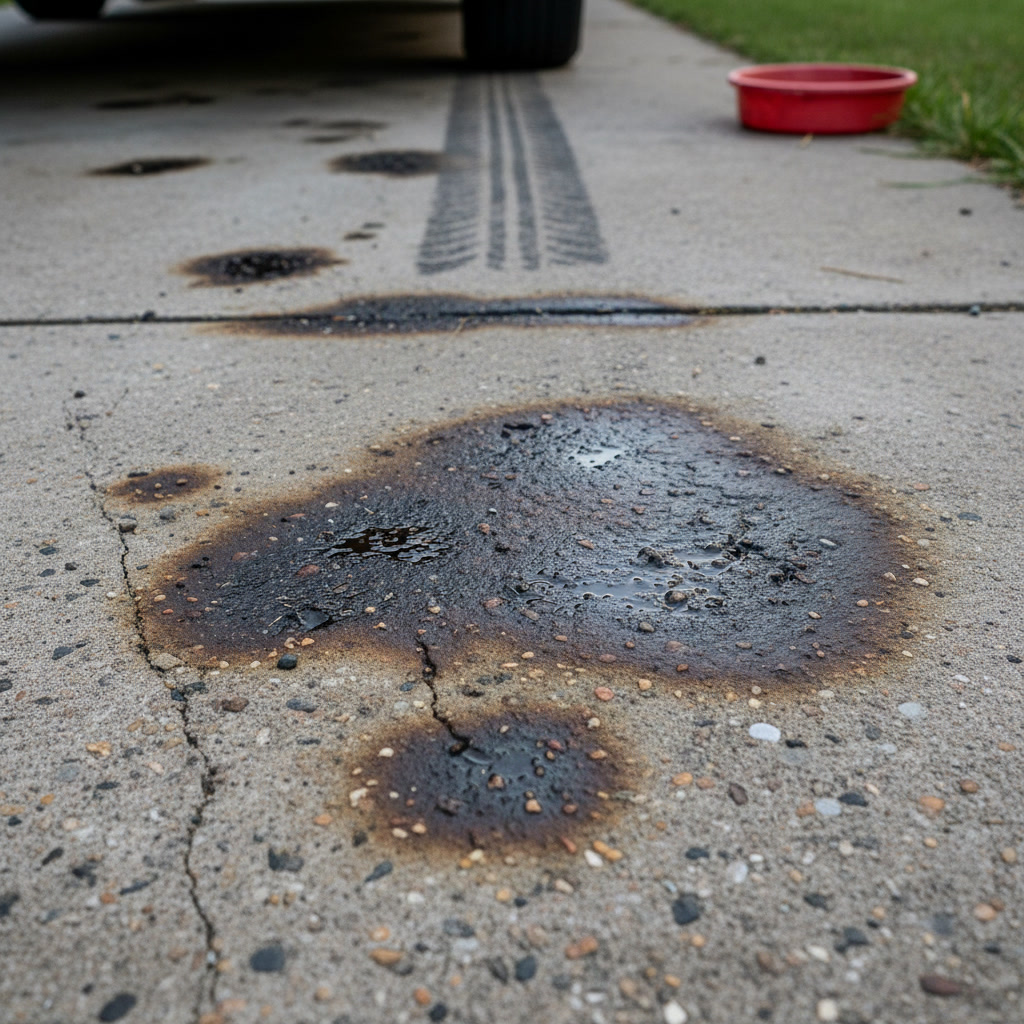
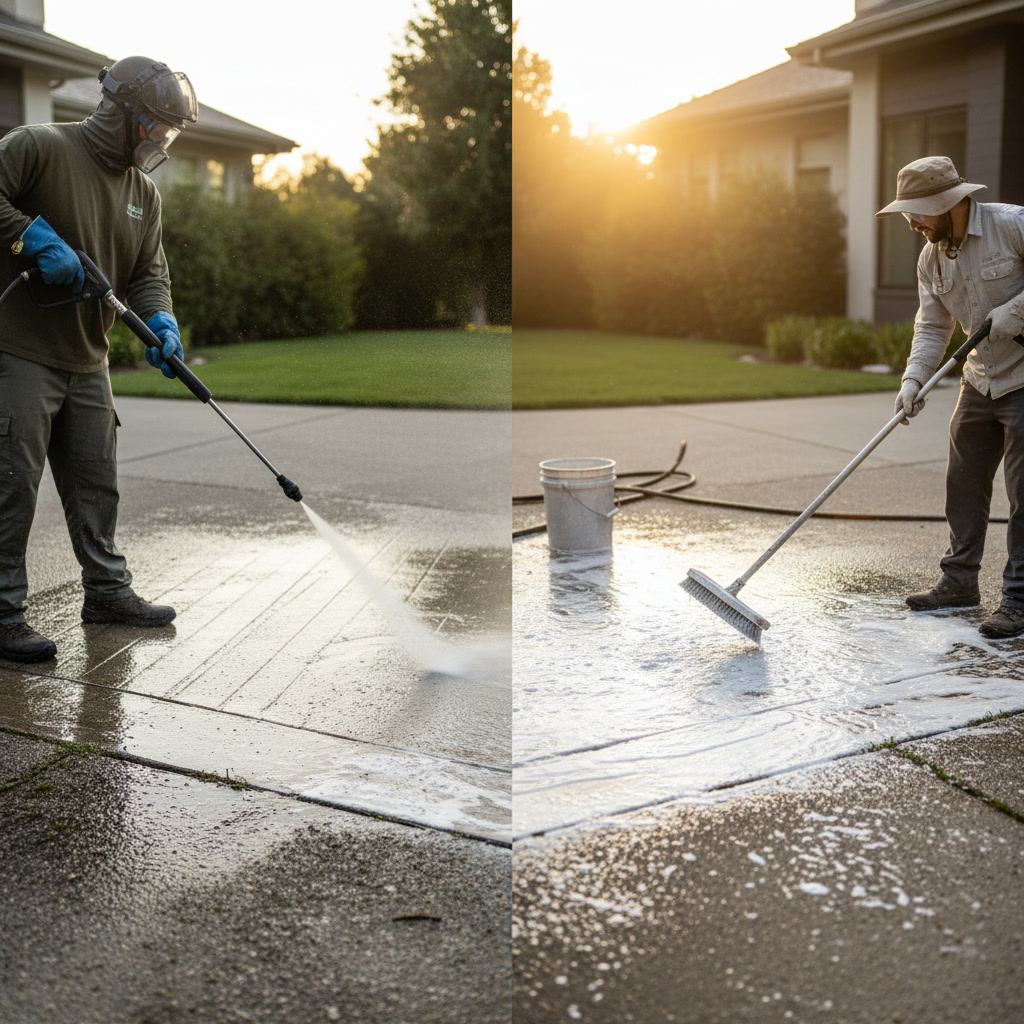
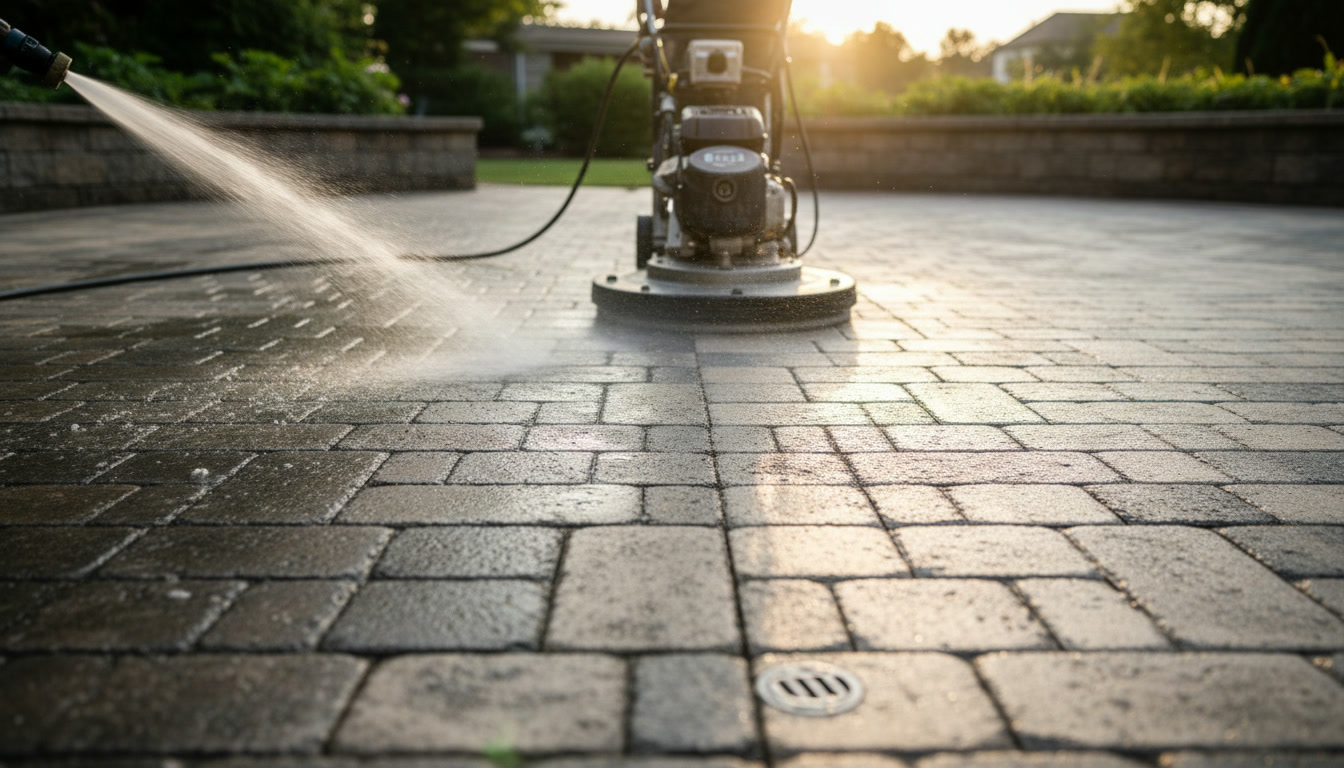
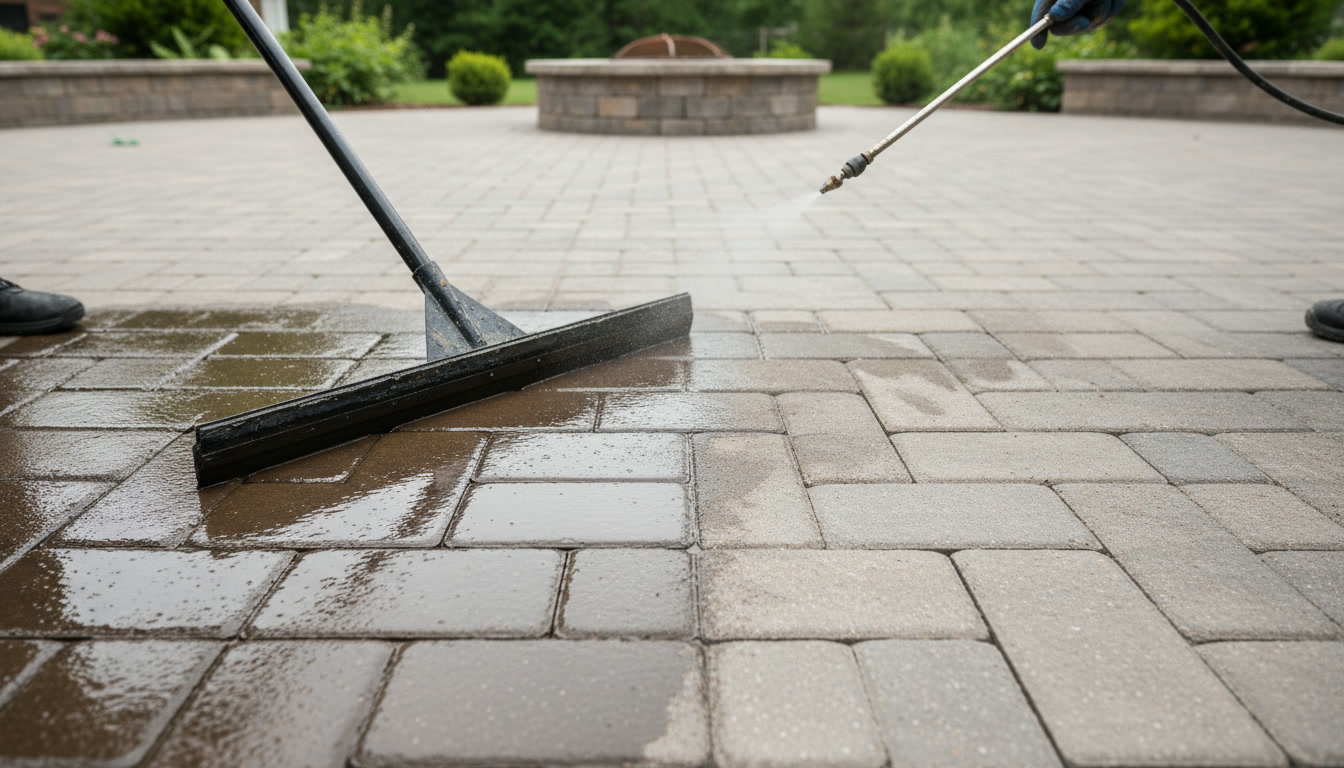
Standard garden hoses lack the power to remove embedded stains, algae roots, or sand contamination from paver pores. Professional cleaning uses specialized equipment and cleaning agents designed for masonry surfaces.
The cleaning phase targets several layers. Surface debris comes off first, followed by organic stains like mold and mildew. Technicians then address efflorescence, the white crystalline deposit that forms when salts migrate through porous materials. Efflorescence requires specific treatment because it continues forming if moisture remains trapped beneath the surface.
Once the surface is clean, joint sand often needs replacement. Walking traffic and weather gradually displace sand from between pavers, creating voids where weeds grow and pavers shift. Stabilizing these joints with polymeric sand before sealing prevents future movement and locks the surface together.
Drying Time Is Not Optional
Moisture trapped beneath sealer causes cloudiness, blistering, and premature failure. Professional crews verify dryness before application, often waiting 24 to 72 hours after cleaning depending on temperature, humidity, and paver porosity.
Concrete pavers dry faster than natural stone because of their uniform density. Travertine, flagstone, and other natural materials hold moisture longer and require extended drying periods. Some crews use moisture meters to confirm readiness rather than guessing based on visual inspection alone.
Weather significantly impacts this timeline. High humidity, cloud cover, or temperatures below 50 degrees Fahrenheit slow evaporation and extend the wait. Rushing this step to meet a deadline nearly always results in costly rework.
Choosing the Right Sealer for Your Surface
Not all sealers perform the same job. Water-based acrylics offer a natural look with moderate protection and easier maintenance. Solvent-based acrylics deliver a wet, glossy appearance with stronger color enhancement. Polyurethanes provide the highest durability and chemical resistance but cost more and require expert application.
Your paver type, desired finish, and traffic level dictate the best choice. Pool decks benefit from non-slip additives mixed into the sealer. Driveways handling vehicle traffic need products rated for tire marks and oil resistance. Shaded patios in humid climates require mold-inhibiting formulations.
Professional applicators consider all these variables before selecting a product. Using the wrong sealer creates problems that surface months later, such as yellowing, peeling, or slippery surfaces after rain.
Application Technique Affects Coverage and Appearance
Sealer goes down in thin, even coats using sprayers, rollers, or both. Spraying covers large areas quickly and reaches into textured surfaces, but overspray requires careful masking of adjacent walls, plants, and windows. Rolling provides more control on smaller areas and ensures even mil thickness.
Most projects require two coats. The first coat penetrates the paver pores and primes the surface. The second coat builds the protective film and enhances the visual finish. Applying too much sealer at once creates puddles that dry unevenly and leave visible lap marks.
Edges and transitions need special attention. Sealer naturally wants to pool along borders where pavers meet grass, concrete, or other materials. Skilled technicians feather these edges to prevent buildup and visible lines.
How Weather Conditions Control Application Timing
Temperature and humidity directly influence how sealer cures. Ideal conditions fall between 50 and 85 degrees Fahrenheit with relative humidity below 70 percent. Outside this range, sealers either dry too quickly, trapping bubbles, or too slowly, collecting dust and debris.
Rain within 24 hours of application washes away uncured sealer and ruins the job. Professional crews monitor forecasts closely and delay work when storms approach. Even morning dew can reactivate fresh sealer and cause whitening.
In Central Florida, summer afternoon thunderstorms create tight application windows. Morning starts allow crews to finish before weather moves in, but high humidity lingers even on clear days, slowing dry times and requiring careful planning.
Professional Paver Sealing in Orlando Requires Local Knowledge
Florida’s climate presents unique challenges for sealing projects. High humidity year-round extends drying phases. Intense UV exposure demands sealers with strong fade resistance. Frequent rain tests the water repellency of every product.
Local experience matters because generic techniques imported from dry climates fail here. Professionals working in this region understand seasonal patterns, know which products withstand tropical conditions, and schedule projects around weather realities rather than ideal textbook conditions. Paver sealing done right in this environment requires adapting methods to humidity, rain, and heat.
The Cure Period Protects Your Investment
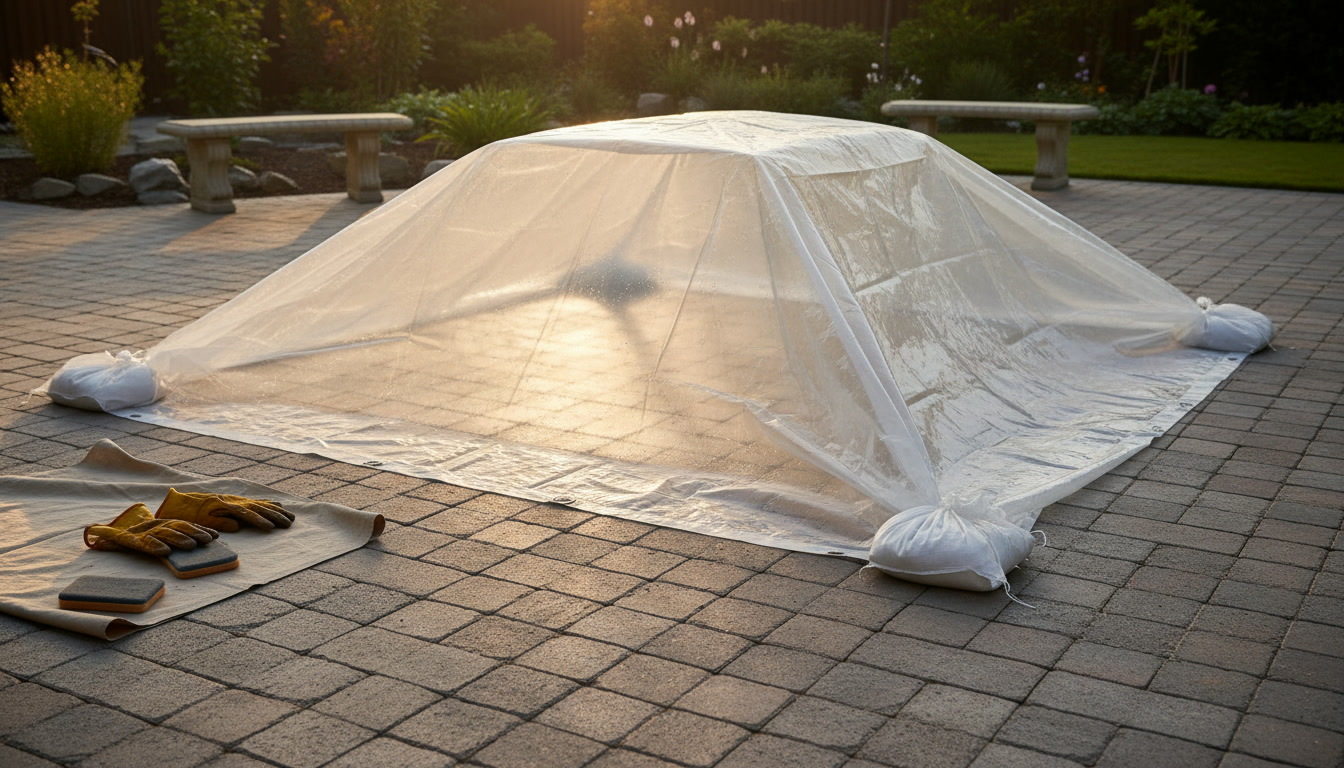
Sealer feels dry to the touch within hours, but full cure takes 24 to 72 hours depending on the product. During this window, the sealer cross-links and bonds completely with the paver surface. Disturbing it before cure completes leaves footprints, tire marks, or smudges that become permanent.
Restricting foot traffic for at least 24 hours protects the finish. Vehicle traffic requires a longer wait, typically 48 to 72 hours, because tires generate heat and friction that can mar uncured sealer. Moving furniture back onto a patio should wait until full cure to avoid impressions.
J’s Softwash provides clear cure timelines for every project so property owners know exactly when they can resume normal use. Following these guidelines ensures the sealer performs as designed for years rather than requiring touch-ups within months.
How Proper Joint Preparation Prevents Future Problems
Joint sand plays a structural role that many overlook. Polymeric sand hardens when activated with water, locking pavers in place and preventing horizontal movement. This stability reduces cracking and keeps the surface level even under traffic.
Before sealing, joints must be cleaned to depth, refilled with fresh sand, and compacted. Sealer applied over loose or missing joint sand allows the sand to shift later, creating gaps where weeds establish and insects nest. Once sealed, correcting joint problems requires stripping the sealer, a costly and time-consuming fix.
Some older properties have standard mason sand in the joints rather than polymeric versions. Upgrading to polymeric sand during the sealing process dramatically improves long-term performance and reduces maintenance. This step adds value that homeowners notice immediately and appreciate for years.
Maintenance Requirements After Sealing
Sealed pavers still need care, though far less than unsealed surfaces. Regular sweeping removes abrasive dirt that gradually wears the sealer film. Occasional rinsing with a garden hose keeps the surface fresh and prevents buildup.
Spills should be cleaned promptly. While sealers resist stains, acidic substances like citrus juice or harsh chemicals can etch the protective layer if left to sit. Mild dish soap and water handle most messes without damaging the sealer.
Resealing intervals depend on traffic, sun exposure, and sealer type. High-traffic driveways may need reapplication every two to three years. Protected patios can last four to five years before requiring a fresh coat. A simple water test reveals when resealing is due: if water soaks in rather than beading on the surface, protection has diminished.
Many property owners choose to schedule patio cleaning and resealing together, ensuring the surface stays both clean and protected. Combining these services saves time and maintains consistent results.
Protecting Your Pavers for the Long Term
Professional sealing extends the life of your paver investment by shielding surfaces from the elements and daily wear. The process requires expertise at every phase, from cleaning and preparation through application and cure. Shortcuts at any step compromise the final result and lead to early failure.
Properly sealed pavers resist stains, maintain vibrant color, shed water effectively, and stay cleaner between maintenance visits. The upfront investment in professional service pays dividends through reduced repair costs and enhanced curb appeal that lasts for years.
If your pavers look worn, stained, or faded, professional sealing can restore their appearance and protect them from further damage. J’s Softwash brings the same dedication to every sealing project that built the company from a single technician working out of a Jetta to a trusted name across Central Florida. Whether your property needs driveway cleaning before sealing or a complete paver restoration, the right preparation and products make all the difference.
Ready to protect and enhance your pavers with expert sealing service? Reach out to discuss your project timeline, surface condition, and the best sealer options for your property. Call (407) 807-3092 to schedule an assessment and get your pavers ready for long-lasting protection.